When Your Car Has a Monthly Fee: What It Means to “Own” Features You Already Paid For
Heated seats, remote start, even extra horsepower—some cars now unlock features by subscription. Here’s what that changes about ownership.
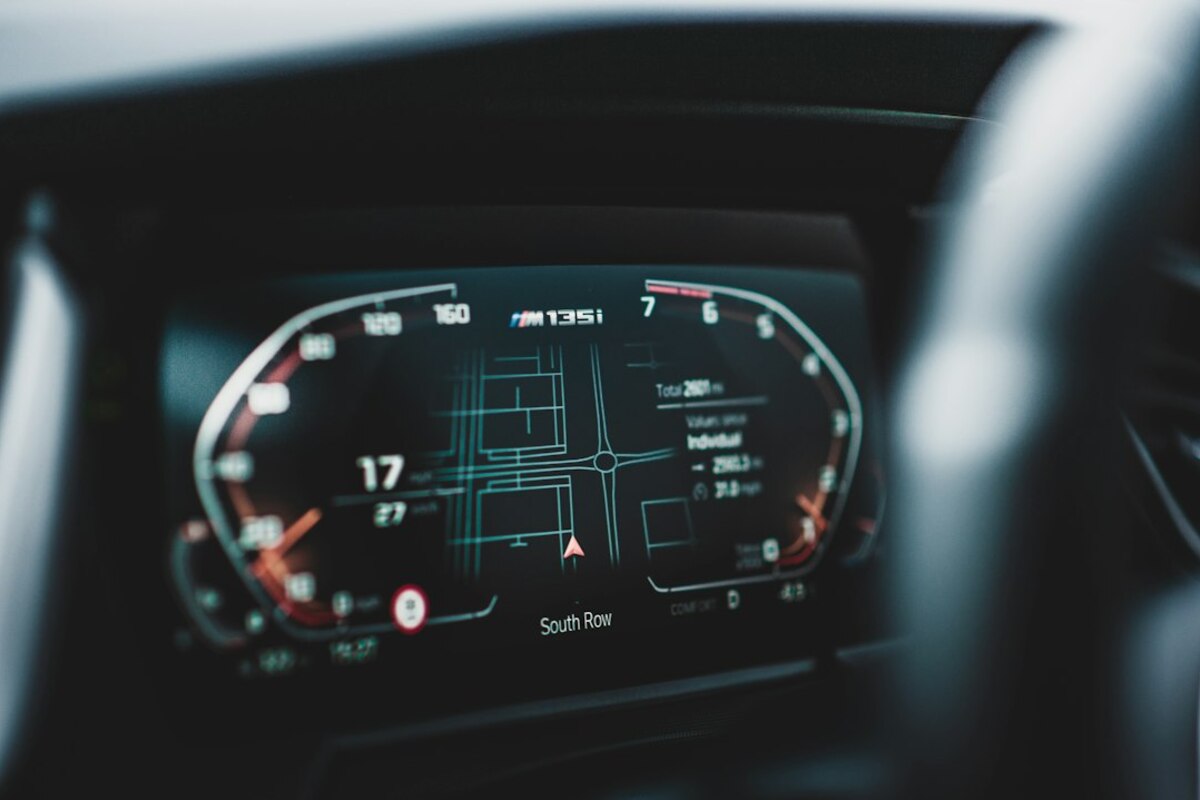
- More car features are software-locked and can be turned on/off remotely, even after you buy the vehicle.
- Subscriptions can follow the driver, the account, or the car—changing resale value and everyday expectations.
- You can reduce surprises by checking feature terms, transfer rules, and offline behavior before you buy.
Buying a car… then renting parts of it
Picture this: It’s the first cold week of winter. You hop into your car, tap the button for heated seats, and a message pops up: “Subscribe to activate.” You stare at it like it’s a joke. Heated seats are in the car. You paid for the car. So why are you being asked to pay again?
This is one of the most talked-about shifts in everyday ownership: physical products (especially cars) that contain the hardware, but keep certain features locked behind software. Instead of a one-time purchase, you’re offered a monthly or yearly fee to “unlock” capabilities—sometimes permanently, sometimes only while you keep paying.
Car subscriptions aren’t just about luxury extras anymore. Depending on the brand and market, they can include things like:
- Comfort features (heated seats, steering wheel heat, cabin air upgrades)
- Convenience features (remote start, app-based unlocking, digital key sharing)
- Safety / assistance features (advanced driver assistance packages)
- Performance modes (acceleration boosts or drive modes)
- Connected services (live traffic, hotspot data, emergency calling)
Some of these were always “service-like” (navigation data, cellular connectivity). What feels new—and sparks debate—is paying repeatedly for something that seems like it’s already installed and sitting there, waiting.
To make sense of it, it helps to separate two ideas that used to be bundled together: owning the hardware vs. having rights to the software that controls it. Your car can be yours, but the features increasingly behave like apps: enabled, disabled, updated, or moved into new pricing tiers.

How feature subscriptions work (and why companies like them)
Modern cars are less like purely mechanical machines and more like rolling computer networks. Many features are controlled by software settings tied to:
- a vehicle identification number (VIN),
- a driver profile,
- an online account, or
- a mix of all three.
That means a manufacturer can ship one “fully capable” version of a hardware platform and then decide what’s active through software. If every car comes with the same seat-heating module, for example, the company can simplify manufacturing and logistics: fewer part variations, fewer supply chain headaches.
From a business perspective, subscriptions do three big things:
- Create ongoing revenue after the sale (instead of relying only on the purchase price).
- Let features be sold later—a driver who didn’t want something at purchase can change their mind in winter.
- Make pricing feel smaller—$15/month sounds easier than adding $1,000 to a loan, even if the long-term cost is higher.
There’s also a strategic angle: if a feature is tied to an account, the brand keeps a relationship with the driver. That can mean convenient app controls and updates—but it also means the feature can depend on the company’s servers, policies, and continued support.
Here’s a simple analogy: think of the car as an apartment you bought. The walls and rooms are yours. But some doors inside are locked, and the building manager sells you a key subscription. You can see the room. The room is physically there. Yet access is conditional.
A key detail: not all “subscriptions” are the same thing. Some are truly service-based (they require cellular data, call centers, map updates). Others are unlock fees for hardware already installed. That difference matters because it changes what you’re actually paying for.
| Type of feature | What you’re paying for | What happens if you stop paying? |
|---|---|---|
| Service-based (e.g., live traffic, emergency call, hotspot data) | Ongoing service + connectivity + data/operations | Service stops; hardware may still exist but becomes limited |
| Software unlock (e.g., heated seats, performance mode, lighting packages) | Permission to use already-installed capability | Feature may be disabled even though hardware remains |
| Hybrid (e.g., app-based remote start, phone-as-key) | Hardware + software + server/app support | May partially work (button in car) but app/cloud parts can stop |
Consumers tend to accept service-based subscriptions more easily (“Okay, cellular data costs money”). The controversy spikes with software unlocks, because they feel like paying rent on your own furniture.
The everyday ownership questions nobody thinks about until it happens
Feature subscriptions aren’t just an abstract debate about corporate greed or modern tech. They show up in normal life at surprisingly awkward moments—especially when cars change hands, when accounts get messy, or when the internet isn’t available.
Scenario 1: You sell the car, and the buyer asks, “Does it have heated seats?”
In the past, the answer was simple: either the car had them or it didn’t. Now the honest answer might be: “The car has the hardware, but the feature is only active if you subscribe—or if my plan transfers.”
This changes how resale value works. A used car listing might advertise a feature that disappears after a trial period. Or the previous owner may have paid for a package that is tied to their account rather than the vehicle. The buyer might feel tricked, even if the seller didn’t mean to mislead.
Scenario 2: Your free trial ends during the worst week
A lot of cars include limited-time trials: three months of connected services, one year of advanced driver assistance, a seasonal promo. If you get used to a feature—say remote start from your phone—losing it can feel like the car “broke,” even though nothing is mechanically wrong.
Scenario 3: The car works, but the app doesn’t
Some features depend on an app, servers, and a stable connection. If the company has an outage, or your account gets logged out, or your phone is lost, certain conveniences vanish. The car still drives—but ownership feels less self-contained than people expect.
Scenario 4: Multiple drivers, one car
Families share cars. So who “owns” the subscription—the person who pays, the main driver profile, or the car itself? If a subscription is tied to an account, a teen driver might suddenly lose a feature after switching profiles. Or the primary account holder might have to manage access like a streaming service password.
Scenario 5: Traveling or living with spotty connectivity
Even if the feature itself doesn’t need the internet (heated seats don’t), the permission system might. Some systems check in periodically. Others allow a grace period. The exact behavior varies. If you live in a place with poor reception or store a car in an underground garage, “always-online” design can become more than an annoyance.
These scenarios point to a new kind of ownership friction: the car is a physical asset, but the experience is partly governed by terms, servers, and software rules that can change over time.
Here are the practical questions worth asking—especially before you buy:
- Is this feature a one-time purchase, a time-limited trial, or a recurring subscription?
- If it’s a subscription, is it tied to the car (VIN) or tied to the owner’s account?
- Does it transfer to the next owner? If yes, under what conditions?
- Does it work without cellular service? If not, what exactly stops working?
- Can the company remove or change the feature later? (Look for wording like “subject to change” in connected services terms.)
In many places, companies rely on the idea that you bought the vehicle hardware but only licensed the software-controlled functionality under specific terms. Whether it feels fair and whether it’s enforceable can vary by jurisdiction and by the exact contract language, but the general model is common in modern tech: hardware ownership doesn’t automatically grant unlimited software rights.
In many places, companies rely on the idea that you bought the vehicle hardware but only licensed the software-controlled functionality under specific terms. Whether it feels fair and whether it’s enforceable can vary by jurisdiction and by the exact contract language, but the general model is common in modern tech: hardware ownership doesn’t automatically grant unlimited software rights.
Not always. Some subscriptions are straightforward: you stop paying, you lose access. The more uncertain situations come from trials, promotional bundles, changes in service plans, or features that depend on online systems the company may eventually retire. Reading the “how long we support this service” language (if it exists) can be surprisingly important.
Not always. Some subscriptions are straightforward: you stop paying, you lose access. The more uncertain situations come from trials, promotional bundles, changes in service plans, or features that depend on online systems the company may eventually retire. Reading the “how long we support this service” language (if it exists) can be surprisingly important.
Ask whether features are installed or active. Request a photo of the in-car feature screen showing what’s enabled, and ask if any features are in a “trial” period. If the car uses an app, ask whether the seller has fully removed the vehicle from their account and whether subscriptions are transferable to the new owner.
Ask whether features are installed or active. Request a photo of the in-car feature screen showing what’s enabled, and ask if any features are in a “trial” period. If the car uses an app, ask whether the seller has fully removed the vehicle from their account and whether subscriptions are transferable to the new owner.
For many people, the biggest emotional shift is this: buying a car used to feel like purchasing a complete object. Now it can feel like buying a base platform, then deciding—month by month—what version of the car you’re allowed to experience.
That doesn’t automatically make subscriptions “bad.” Some drivers genuinely like paying only in winter for heated seats, or turning on a feature for a road trip and then canceling. The key difference is that ownership becomes a menu instead of a package. And if you don’t realize that upfront, the first pop-up message can feel like a betrayal.
Even if you never subscribe to anything, the trend affects you: it can change used-car pricing, what features you can rely on long-term, and how much control you have over the stuff sitting right in front of you—inside a product you thought you fully owned.