Your Bathroom Fan Isn’t Just Noisy—It Might Be Failing Quietly (and Feeding Mold)
If your bathroom fan sounds weak, runs forever, or does nothing for steam, it may be clogged or venting wrong. A simple check can cut moisture, odors, and mold risk.
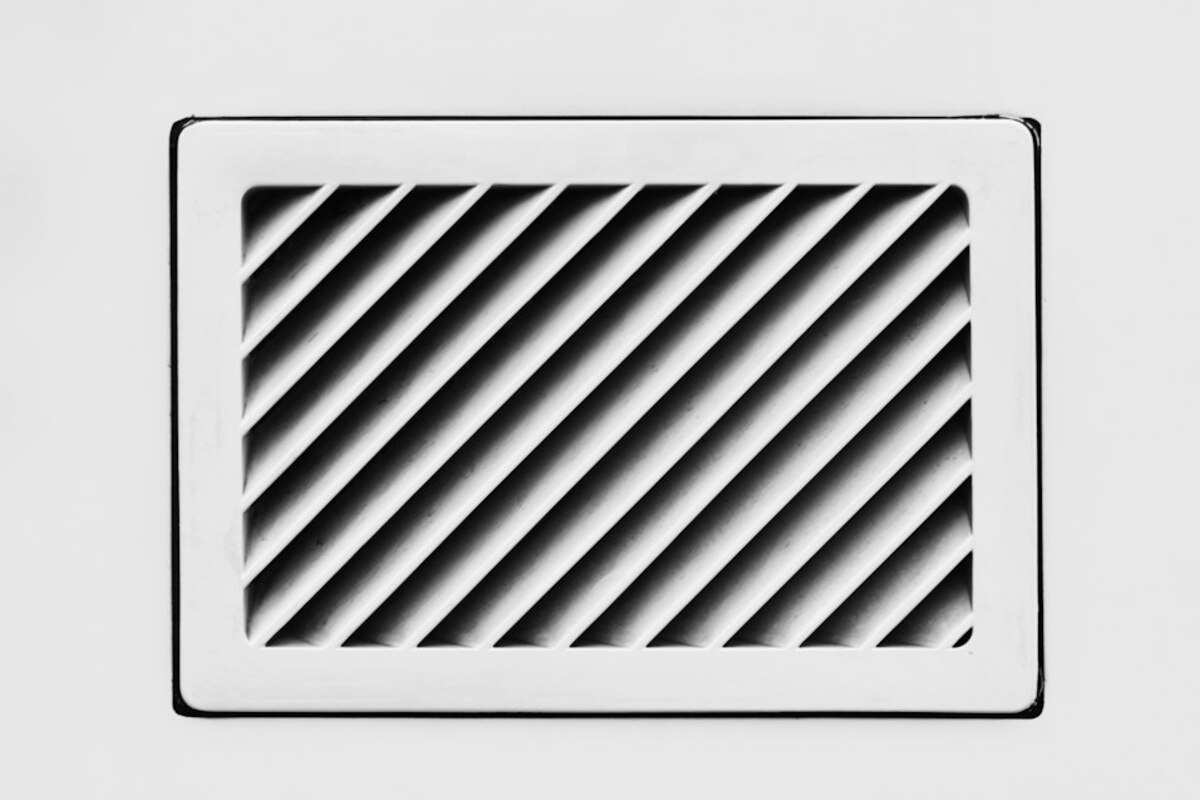
- A dusty fan housing and stuck damper can slash airflow, leaving steam trapped where mold loves it.
- A quick “toilet paper test” and a peek at the exterior vent can reveal whether the fan is actually moving air.
- Cleaning the grille and checking the duct path often fixes poor performance without replacing the fan.
The problem: a fan that “runs” but doesn’t remove moisture
Most people judge a bathroom exhaust fan by one thing: sound. If it turns on and makes noise, it must be working… right?
Not always. A bathroom fan can spin for years while moving surprisingly little air. Think of it like a vacuum cleaner with a clogged filter: the motor still whirs, but the suction you need is gone.
This matters because the fan’s real job isn’t comfort—it’s moisture control. A hot shower can dump a lot of water into the air fast. If that damp air lingers, it settles into the places you don’t watch closely: the ceiling paint, the mirror edges, the grout lines, and the corners behind the door. Over time, that’s how you end up with:
- Persistent fogged mirrors that take forever to clear
- Peeling paint or bubbling drywall seams
- Musty smells that return even after cleaning
- Mildew spots that appear “out of nowhere”
A common real-life pattern looks like this: you move into a place that seems fine, then you notice the mirror stays cloudy for 30 minutes after a shower. Months later, there’s a faint dark line along the ceiling corner. You scrub it, it comes back. The fan was “on” the whole time—just not actually venting well.
Here are the most frequent reasons bathroom fans fail quietly:
- Dust buildup on the grille and blower wheel restricts airflow.
- A stuck backdraft damper (a little flap that should open when the fan runs) prevents air from leaving.
- Crushed, sagging, or disconnected ducting acts like a kinked straw.
- Bad vent termination (exhausting into an attic or a blocked exterior vent) keeps moist air from truly exiting your home.
You don’t need special tools to figure out which one you’re dealing with. You just need a couple of quick checks and a little willingness to look in unglamorous places.

Two fast tests: is the fan moving air, and where is it going?
Before you take anything apart, you can learn a lot in under five minutes.
Test 1: The toilet paper “stick” test
Turn the fan on (and close the bathroom door). Hold a square of toilet paper or a tissue up to the grille.
- If it sticks firmly, you likely have decent suction at the grille.
- If it barely clings or falls, the fan may be clogged, underpowered, or blocked downstream.
This test is simple, but it’s surprisingly revealing—like checking whether a straw is actually pulling liquid or just making bubbles.
Test 2: Follow the air to the exit
A bathroom fan should vent outside—typically through a roof cap, a wall vent hood, or sometimes a soffit vent (soffit venting can be problematic if it pulls air back into the attic).
If you can safely do so, locate the exterior termination and check it while the fan is running:
- Do you feel air blowing out?
- Does the flap open freely?
- Is there lint, dust, or a bird screen packed with debris?
If you feel little to no airflow outside but the fan is loud inside, that’s a classic sign of duct restriction or a stuck damper.
A quick “where is it going?” warning
In some homes—especially older ones or DIY renovations—the fan duct ends in the attic, or it has come loose over time. That means you’re not removing moisture; you’re relocating it into your home’s structure. If your bathroom is under an attic and you’re seeing rusty nails, damp insulation, or a musty attic smell, a mis-vented bathroom fan is one of the first suspects.
| Symptom you notice | Most likely cause | What it usually takes |
|---|---|---|
| Mirror stays fogged 20–40 minutes | Weak airflow (dusty fan or blocked duct) | Clean grille + fan housing; check duct for kinks |
| Fan is loud but doesn’t “pull” | Stuck damper or disconnected duct | Inspect damper movement; reattach duct if needed |
| Cold drafts coming into bathroom when fan is off | Damper stuck open or missing | Free/replace damper; confirm exterior vent flap |
| Musty smell that returns after cleaning | Moisture lingering in room surfaces | Improve venting + run-time; check for hidden damp spots |
The 30–60 minute fix: clean it, free the damper, and check the duct
If your tests suggest weak airflow, the first step is usually the least dramatic: cleaning. Bathroom fan grilles are dust magnets, especially in homes with pets, long hair, or lots of laundry nearby. That dust acts like a blanket over the intake.
Safety first: switch the fan off at the wall, and if you’re going to remove the fan module or put your hands near wiring, turn off the breaker too. (If you’re unsure, breaker off is the safe default.)
Step 1: Remove and wash the grille
Most grilles pull down a couple inches and unhook from two spring clips. Take it to the sink and wash with warm soapy water. Let it dry fully.
Step 2: Vacuum the housing (and don’t be shy)
With the grille off, vacuum inside the fan housing using a brush attachment. You’re trying to remove the fuzzy layer that clings to the edges and the blower area.
- If you see heavy buildup, a slightly damp microfiber cloth can help—just keep water away from electrical components.
- A narrow crevice tool helps around corners where dust packs in.
Step 3: Check the damper flap
Many fans have a small plastic or metal damper where the duct connects. It should swing open when air pushes out and fall closed when the fan stops.
Common issues:
- Paint overspray gluing it shut
- Dust and lint making it sticky
- Warped plastic that catches on the frame
You can often free it with gentle cleaning and by moving it with a finger until it swings easily. If it’s broken or missing, replacement dampers exist, but at that point some people choose to replace the fan unit—especially if it’s old and loud.
Step 4: Inspect the duct path (the “kinked straw” problem)
If accessible (attic above, or sometimes a drop ceiling), look for:
- Flexible duct sagging into a low spot where moisture can collect
- Crushed sections behind insulation or stored items
- Loose connections where the duct meets the fan or the roof/wall cap
Flexible duct should be as short and straight as practical, with gentle curves—not tight bends. A long, looping run reduces airflow dramatically, like breathing through a long snorkel.
Step 5: Check the exterior vent hood/cap
Outside, make sure the flap opens and closes freely and the opening isn’t clogged. If there’s a screen, it can collect lint and dust over time. If it’s packed, airflow drops and moisture stays indoors.
Small detail that makes a big difference: if you find condensation or damp lint at the exterior vent, it’s a clue the duct run may be too cold (especially in winter) or too long. Warm, moist air cools inside the duct and drops water. That water can drip back toward the fan housing or sit in a sag, feeding odors and mold. Straightening the duct and ensuring it’s properly connected helps; in colder climates, insulating the duct can help too.
A practical rule is 15–20 minutes after a hot shower. If your mirror and walls dry faster, you can shorten it. If the room still feels damp, extend it. A timer switch makes this effortless.
A practical rule is 15–20 minutes after a hot shower. If your mirror and walls dry faster, you can shorten it. If the room still feels damp, extend it. A timer switch makes this effortless.
No. Noise can come from vibration, a dusty blower, a loose housing, or a restrictive duct. Some of the best-performing fans are surprisingly quiet.
No. Noise can come from vibration, a dusty blower, a loose housing, or a restrictive duct. Some of the best-performing fans are surprisingly quiet.
That’s a common but serious setup because it dumps moisture where building materials can absorb it. The long-term risk is mold and wood rot. The fix is to route the duct to a proper exterior vent cap (roof or wall), sealed and secured.
That’s a common but serious setup because it dumps moisture where building materials can absorb it. The long-term risk is mold and wood rot. The fix is to route the duct to a proper exterior vent cap (roof or wall), sealed and secured.
If you want one “everyday life” benchmark: after cleaning and checking the vent path, take a normal shower and then watch the mirror. If the fan is doing its job, the fog should begin clearing noticeably within a few minutes, not half an hour later.
When cleaning isn’t enough: If suction is weak even with a clean grille and a clear duct, the fan may simply be undersized for the bathroom, or the motor/blower may be worn out. In many homes, fan upgrades are less about “luxury” and more about keeping paint, drywall, and grout from constantly fighting moisture.