Why Your Washing Machine Leaves Clothes Musty (and the 10-Minute Cleaning Cycle That Helps)
If “clean” laundry smells damp or sour, the washer is usually the culprit. Learn the quick checks and an easy cleaning cycle that clears odor fast.
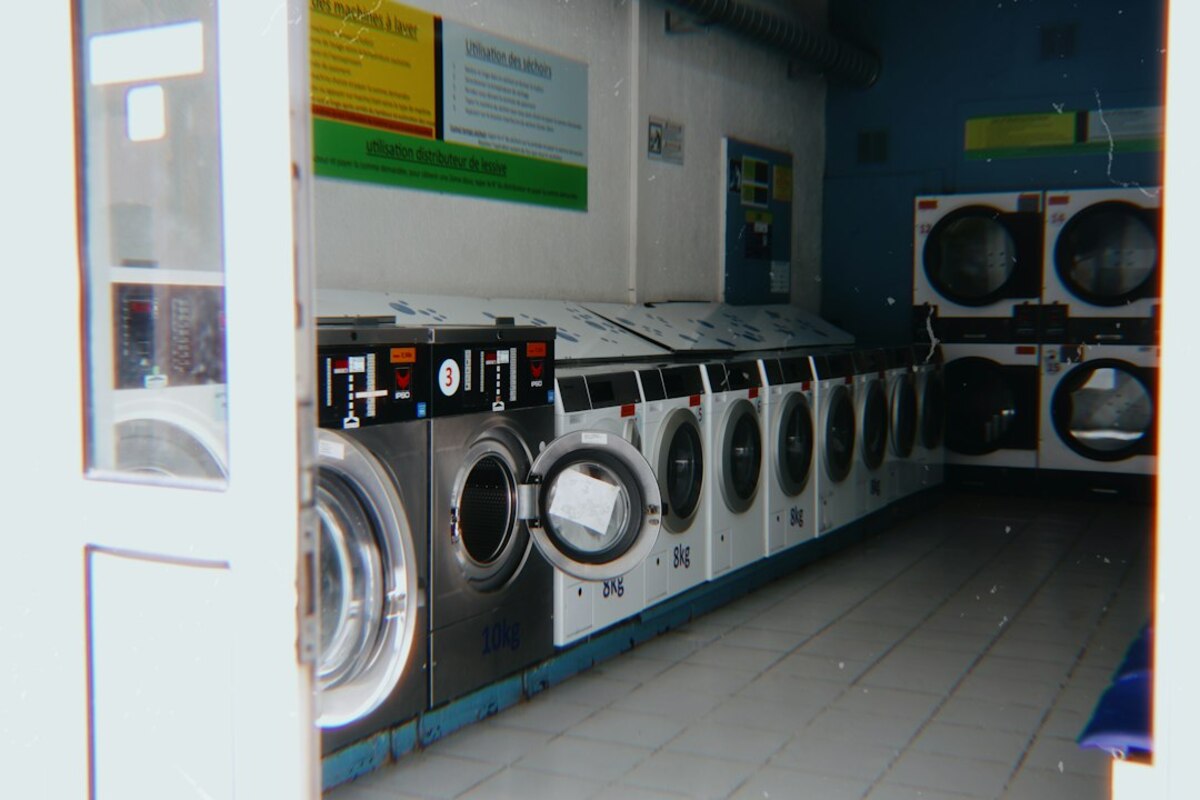
- Musty laundry is often caused by biofilm buildup, trapped moisture, and small habits like closing the door right after washing.
- A simple hot cleaning cycle (plus wiping the gasket and drawer) fixes most smells without special tools.
- A few tiny routine changes—like leaving the door ajar and using the right amount of detergent—prevent the odor from returning.
The mystery of “clean” clothes that don’t smell clean
You pull a warm load out of the dryer (or off the rack) expecting that fresh-laundry smell… and instead you get a damp, musty, “forgot it in the washer overnight” odor. The frustrating part is that you did wash them. Sometimes you even used extra detergent, fabric softener, or scent beads—yet the smell keeps coming back.
In most cases, this isn’t a “your clothes are dirty” problem. It’s a washing machine environment problem. Modern washers are designed to use less water and energy, which is great—until you combine that efficiency with cold washes, too much detergent, and a sealed-up drum. Then you get the perfect setup for a thin, stubborn layer of gunk to build up inside the places you never see.
Think of it like a reusable water bottle. If you rinse it quickly every day, it seems fine. But if you leave it closed and damp for hours, a smell can develop—even though you “washed” it. Washing machines can develop a similar issue, only the hidden spots are bigger: seals, hoses, drawers, and the outer tub behind the drum.
Before we get into the quick 10-minute fix (and the deeper clean if needed), it helps to know what’s actually happening inside your washer.
- Biofilm forms. This is the slippery layer made from detergent residue, skin oils, lint, and moisture. Bacteria and mildew love it because it’s basically a snack bar plus shelter.
- Moisture gets trapped. Front-loaders in particular have folds in the rubber gasket where water can sit, plus doors that seal tightly.
- “More soap” backfires. Extra detergent doesn’t equal extra cleaning. It can leave more residue behind, feeding the biofilm.
If you’ve ever opened your washer and caught a whiff of sourness even when it’s empty, that’s your sign: the odor is living in the machine, and your laundry is picking it up.

The quick diagnosis: where the smell usually hides
You don’t need to take the washer apart to troubleshoot. A few fast checks can tell you where the odor is coming from and whether a simple cleaning cycle will likely fix it.
1) The rubber gasket (front-loaders)
Open the door and run your fingers along the inner folds of the rubber seal. If it feels slimy, or you see gray/black smudges, that’s prime odor territory. This area stays damp and catches lint like a pocket.
2) The detergent drawer
Pull the drawer out as far as it goes. You may see clumps of softener, gel detergent, or a waxy film. Even if the drawer looks okay, the cavity it slides into can be damp and coated. That smell can drift into the drum.
3) The “forgotten load” effect
If the smell happens most when clothes sit in the machine for 30–60 minutes after the cycle ends, that’s a clue that the washer’s interior is already musty. Clean laundry picks up odors fast in a humid, closed drum.
4) The drain filter (many front-loaders)
Some washers have an accessible drain filter behind a small panel near the bottom front. This trap catches lint, coins, hairpins, and sometimes… unpleasant sludge. If your washer smells “swampy” or “dirty water-ish,” the filter is worth checking.
5) The water temperature trend
If your household mostly runs cold or eco cycles, you’re not alone. But cooler temps may not break down oily residue as well, and they don’t discourage microbial growth as effectively as occasional hot washes.
| What you notice | Likely cause | Fast place to check |
|---|---|---|
| Musty smell even when the washer is empty | Biofilm/mildew inside drum area | Gasket folds, detergent drawer |
| Smell is strongest in towels/activewear | Oils + residue holding odor | Detergent amount, hot cycle frequency |
| Swampy/dirty-water odor | Drain filter or standing water residue | Drain filter panel (if your model has one) |
| Gray/black marks on clothes | Mildew/film shedding from gasket or tub | Gasket wipe-down + cleaning cycle |
Now for the good part: you can often make a noticeable difference with a short, focused cleaning routine—especially if the problem is new or mild.
The 10-minute reset: a simple cleaning cycle + wipe that changes everything
This is the “do it today” approach. The active time is about 10 minutes; the machine does the rest while you go do something else.
What you’ll need (pick one main cleaner)
- Washing machine cleaner tablet (easy, low-mess) or
- Chlorine bleach (effective for mildew; check your manual for bleach-safe guidance) or
- White vinegar (helps with odors/mineral film, but can be less effective on heavy biofilm)
Step A: Wipe the gasket and door area (2–4 minutes)
With the washer empty, use a microfiber cloth or paper towels and wipe:
- The inside of the door
- The rubber gasket folds (front-loaders). Pull back the folds gently and wipe any moisture or residue.
If you see visible grime, dampen the cloth with hot water and a tiny drop of dish soap. If mildew spots are present, a small amount of diluted bleach on the cloth can help—just avoid splashing and don’t mix bleach with vinegar.
Step B: Clean the detergent drawer quickly (2–3 minutes)
Remove the drawer (many have a release tab). Rinse it under hot water, scrub with an old toothbrush if needed, then wipe the cavity with a damp cloth. You’re not detailing a car—just removing the obvious film so it doesn’t re-seed odor.
Step C: Run a hot cleaning cycle (hands-off time; 3–5 minutes to start)
Choose one of these options depending on your machine:
- “Tub Clean” / “Drum Clean” / “Machine Clean” cycle if your washer has it (best choice).
- Hottest, longest cycle available (often “Whites” or “Sanitize”) with the washer empty.
Cleaner amount guidelines (common, but follow your product/washer manual)
- Cleaner tablet: usually 1 tablet in the drum.
- Bleach: often added to the bleach dispenser up to the max line (or a measured amount directly to the drum in some models). Never exceed what your manual recommends.
- Vinegar: commonly 2 cups added to the drum for an empty hot cycle (note: avoid using vinegar repeatedly if your manufacturer cautions against it due to rubber components).
Step D: Air it out (30 seconds)
When the cycle finishes, leave the door ajar. This one habit is surprisingly powerful. A sealed, damp drum is a greenhouse for odor.
What this does in plain language: You’re removing the “starter layer” (gasket/drawer residue) and then using heat + chemistry + agitation to break up and flush away the hidden buildup that’s making your washer smell like a wet basement.
If the smell improves but returns quickly: That usually means the buildup is heavier (or your day-to-day habits keep feeding it). In that case, add one deeper step from the next section.
Front-loaders seal tightly to prevent leaks and use less water. That combo can leave the gasket and drum area damp longer. If the door is kept closed between loads, moisture lingers and biofilm grows faster.
Front-loaders seal tightly to prevent leaks and use less water. That combo can leave the gasket and drum area damp longer. If the door is kept closed between loads, moisture lingers and biofilm grows faster.
Usually no. Excess detergent can leave residue that traps odors and feeds buildup. If you have soft water, you often need less detergent than the label suggests.
Usually no. Excess detergent can leave residue that traps odors and feeds buildup. If you have soft water, you often need less detergent than the label suggests.
Not always. Many people get good results with a manufacturer-approved approach (often a cleaner tablet or a measured bleach clean cycle). The key is running a hot, empty cycle and addressing the gasket/drawer where grime starts.
Not always. Many people get good results with a manufacturer-approved approach (often a cleaner tablet or a measured bleach clean cycle). The key is running a hot, empty cycle and addressing the gasket/drawer where grime starts.
If the odor is stubborn: 3 deeper fixes that still feel “normal person doable”
If your washer has smelled for months, or the mustiness comes back within a couple of loads, you may need one extra layer of cleanup. None of these require advanced skills, but they can make a big difference.
1) Clean the drain filter (if your washer has one)
Why it matters: a drain filter can hold stagnant water, lint, and debris. That gunk can smell bad and sometimes contributes to poor draining.
- Find the small access panel near the bottom front of many front-loaders.
- Place a shallow pan or towels underneath (water may spill out).
- Unscrew the filter slowly, let water drain, remove debris, rinse the filter, reinstall.
Real-life scenario: If you’ve ever discovered a forgotten coin and a blob of lint in your pocket after laundry day, imagine that stuff living damp in a little trap for weeks. Cleaning the filter removes that “odor compost bin.”
2) Rethink fabric softener (or at least how often you use it)
Fabric softener can leave a coating—on both fabrics and the washer. Over time, that coating can trap body oils and odors. If towels have lost absorbency and smell “off” even after washing, this is a common culprit.
- Try skipping softener for towels and athletic wear for a few weeks.
- If you love softness, use less than the cap suggests.
3) Stop overdosing detergent (a small change with a big payoff)
Detergent labels are written for a wide range of conditions, and people often pour more “just to be safe.” But in many households, especially with HE machines and soft water, that creates more residue than cleanliness.
- If your detergent cap has lines 1–5, many everyday loads do well around line 1–2 (adjust for soil level).
- If you see lots of suds in an HE washer, that’s often too much soap.
A helpful habit trio that prevents the smell from coming back
- Leave the door ajar (and the detergent drawer cracked open) so moisture can evaporate.
- Run one hot load weekly (towels/whites) or a monthly tub clean cycle.
- Move laundry promptly—set a timer if you tend to forget.
If you want a quick “is this working?” test, wash a small load of towels after the cleaning cycle. Towels are honest: they hold onto odor more than most clothing. If the towels come out neutral or fresh and stay that way after drying, you’re on the right track.
One last note: if you’ve done a cleaning cycle, wiped the gasket/drawer, cleaned the filter, and the smell still persists strongly, it could be a drainage or plumbing issue (like a standpipe or trap smell) rather than the washer itself. In that case, the odor often smells strongest near the drain hose area, not just inside the drum.