That Sticky Window Track Problem: The 30-Minute Clean-and-Lube Routine That Makes Windows Glide Again
If your window sticks, scrapes, or won’t stay open, the fix is often in the tracks. Here’s a simple clean-and-lube routine anyone can do.
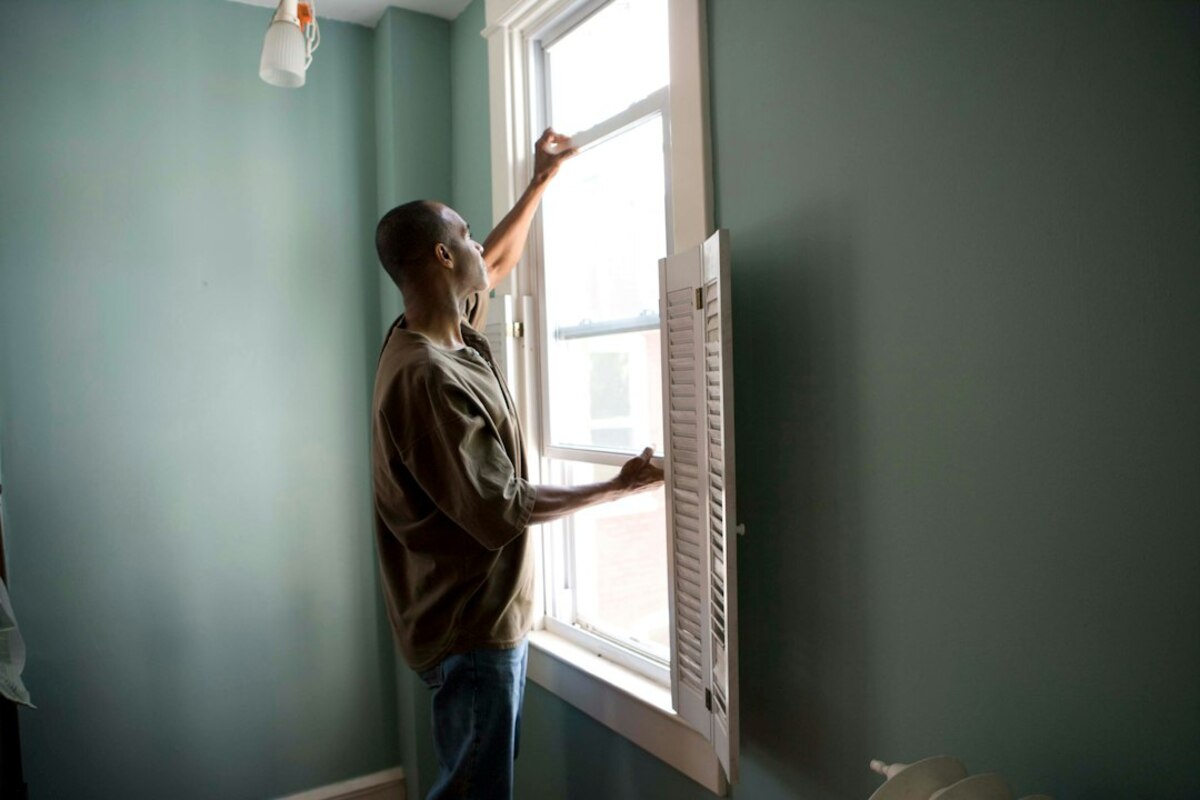
- Most sticking windows aren’t “old”—they’re dirty tracks plus dried-out lubrication.
- The wrong spray can make things worse by attracting dust; use a dry lube in the right places.
- A quick seasonal routine helps prevent wear, drafts, and the urge to “force it” (and break something).
Why windows start sticking (and why it suddenly feels worse)
You go to open a window and it doesn’t move. Or it moves an inch, then grinds like it’s chewing sand. Maybe you have to lift with both hands, or the window won’t stay up unless you prop it with a book like it’s 1997. It’s tempting to blame “old windows,” but in many homes the real issue is simpler: dirt in the track, plus a slider that’s running dry.
Think of your window track like the groove of a sliding closet door. When it’s clean, the door glides. When it’s packed with lint, pet hair, pollen, and tiny bits of grit, the rollers (or plastic glides) are basically rolling over gravel. Add humidity, paint overspray, or years of dried cleaner residue, and the friction can jump from “slightly annoying” to “I’m going to rip the handle off.”
What’s sneaky is how gradual buildup becomes a sudden problem. A few common “tipping points”:
- Season change: You didn’t open the window much all winter. Then spring arrives, you try to air out the house, and the track has months of settled dust.
- Renovation dust: Even a small sanding or drywall patch can send fine powder into tracks, where it packs down like flour into a groove.
- Well-meaning cleaning: Spraying general-purpose cleaner into tracks can leave a slightly sticky film. Dirt loves that film.
The good news: for many sliding windows (and even some double-hung styles), a focused clean plus the right lubricant changes the feel immediately. Not “maybe.” You’ll notice it on the first slide.

The 30-minute clean-and-lube routine (no special skills required)
This routine is designed for common sliding windows (horizontal sliders) and the sliding parts of many vinyl or aluminum window tracks. If your window is painted shut, has broken glass, severe frame rot, or a damaged balance mechanism, you may need repair—but you can still do the cleaning portion safely.
What you’ll need (pick what you already have):
- Vacuum with crevice tool (or a small handheld vacuum)
- Old toothbrush or small nylon brush
- Microfiber cloths or paper towels
- Warm water + a drop of dish soap
- Cotton swabs or a wooden skewer wrapped in a cloth (for corners)
- Dry lubricant (silicone spray labeled for windows/doors, or PTFE “dry lube”)
- Optional: isopropyl alcohol (for removing sticky residue)
Step 1: Open the window and “dry clean” first
Before you introduce any moisture, vacuum the track thoroughly. Use the crevice tool and go slowly. You’re trying to remove the gritty stuff that causes scratching and wear.
Real-life scenario: If you’ve ever wiped a dusty table with a wet rag and felt it turn into mud, you know why this matters. Wet cleaning first can pack grit deeper into corners.
Step 2: Loosen packed debris
Use a toothbrush (or small nylon brush) to agitate the track—especially the corners where debris compacts. Vacuum again right after brushing. You’ll often pull out a surprising mix: dead bugs, tiny stones, pet hair, and that fine gray dust that seems to appear from nowhere.
Step 3: Wipe with mild soapy water
Lightly dampen a cloth with warm water and a drop of dish soap. Wipe the track surfaces the window actually rides on. Avoid flooding the track—especially near weep holes (small drainage openings) where water is meant to exit.
- If the grime is stubborn, let the damp cloth sit on the area for 30–60 seconds, then scrub again with the toothbrush.
- Use cotton swabs for tight corners and the “rails” along the sides.
Step 4: Remove sticky residue (only if needed)
If the track feels tacky even after cleaning, that’s often cleaner residue or old lubricant mixed with dust. Put a little isopropyl alcohol on a cloth (not directly into the track) and wipe until it feels squeaky-clean.
Important: Avoid harsh solvents that can damage vinyl or painted finishes.
Step 5: Find and clear the weep holes
Many windows have tiny drainage holes along the outer track. If those are clogged, water can pool in the track, making everything grimier and sometimes leading to musty smells or staining.
Use a cotton swab or a skewer gently to clear them. You’re not digging a tunnel—just removing the plug of dirt.
Step 6: Apply the right lubricant (less than you think)
This is where many people accidentally make things worse. A wet, oily spray can turn your freshly cleaned track into a dust magnet.
Use a dry lubricant:
- Silicone spray (often sold for windows/doors/garage tracks—check the label)
- PTFE dry lube (Teflon-style dry film)
Spray a small amount onto a cloth, then wipe the lubricant onto the surfaces where the sash slides. If you must spray directly, use a very light burst and immediately wipe excess. Then slide the window back and forth several times to distribute it.
| Product | Why people reach for it | Why it’s not ideal for window tracks | Better choice |
|---|---|---|---|
| WD-40 (general) | It loosens things fast | Can leave an oily film that attracts dust and grime | Silicone spray or PTFE dry lube |
| Grease / heavy oil | Feels “smooth” at first | Collects dirt, can gum up and get sticky over time | Dry film lubricant |
| All-purpose cleaner | Easy, already under the sink | May leave residue that becomes tacky and traps dust | Mild soap + water, then dry lube |
Step 7: Check alignment and “friction points” (a quick reality check)
After cleaning and lubrication, the window should move noticeably easier. If it still sticks in the same spot every time, look for these common culprits:
- Paint or caulk intrusion: A thin ridge can rub like a brake pad.
- Warped or swollen sash: Often worse in humid weather.
- Worn rollers (sliding windows): If the bottom roller is flat-spotted, it will thump or drag even on a clean track.
Cleaning won’t fix a cracked roller, but it helps you diagnose the real issue instead of guessing.
Small habits that keep tracks cleaner (and your windows quieter)
Once you feel the difference, it’s natural to ask: “How do I keep it like this?” The trick is preventing the gritty buildup that turns sliding into grinding.
1) Do a 2-minute vacuum pass when you notice seasonal dust
If you live where pollen is heavy, or you run fans with windows open, tracks fill faster. A quick vacuum of the visible groove every few weeks during peak seasons helps.
2) Wipe, don’t wash
Tracks don’t need a bath. Over-wetting can push dirt into corners and can pool near weep holes. A damp wipe is usually enough once the grit is vacuumed out.
3) Re-lube lightly, not often
More lubricant isn’t better. Too much can catch dust. A light refresh a couple of times per year is typically plenty—often timed with “window seasons” (spring and fall).
4) Watch for the “force it” moment
Forcing a stuck window is how handles loosen, latches misalign, and frames crack. If you feel yourself using your shoulder, that’s your cue to stop and clean the track instead. It’s the household version of hearing your car make a weird noise and turning the radio up—temporarily satisfying, financially risky.
For light grime, vinegar can work, but it’s not required. Mild soapy water is usually enough and is less likely to interact with certain finishes. If you use vinegar, don’t soak the area, and wipe it fully dry before lubricating.
For light grime, vinegar can work, but it’s not required. Mild soapy water is usually enough and is less likely to interact with certain finishes. If you use vinegar, don’t soak the area, and wipe it fully dry before lubricating.
Cleaning the side tracks can reduce friction on double-hung windows, but if the window won’t stay up or feels heavy, the balance mechanism (springs) may be failing. Cleaning is still worthwhile, but the “won’t stay up” issue often needs a part replacement.
Cleaning the side tracks can reduce friction on double-hung windows, but if the window won’t stay up or feels heavy, the balance mechanism (springs) may be failing. Cleaning is still worthwhile, but the “won’t stay up” issue often needs a part replacement.
Dust travels. Air movement from HVAC, fans, and everyday foot traffic stirs particles that settle into grooves. Also, tiny gaps around sashes can pull in outdoor dust, especially on windy days. A dry lubricant helps because it doesn’t stay sticky.
Dust travels. Air movement from HVAC, fans, and everyday foot traffic stirs particles that settle into grooves. Also, tiny gaps around sashes can pull in outdoor dust, especially on windy days. A dry lubricant helps because it doesn’t stay sticky.
A quick “feel test” to know you did it right: After everything dries, the window should move with steady resistance—no gritty sound, no skipping, no sudden tight spots. It should feel like sliding a drawer that’s on clean runners, not dragging a chair across sand.
If you want to go one step further, clean the window screen frame edges too. Screens shed dust right into the track area, and a quick wipe of the screen frame reduces what falls into the groove later.