What an AFCI Breaker Does (and Why It Might Trip When Nothing Looks Wrong)
AFCI breakers can stop electrical fires by sensing dangerous “arcs.” Here’s what they detect, why they trip, and when to worry.
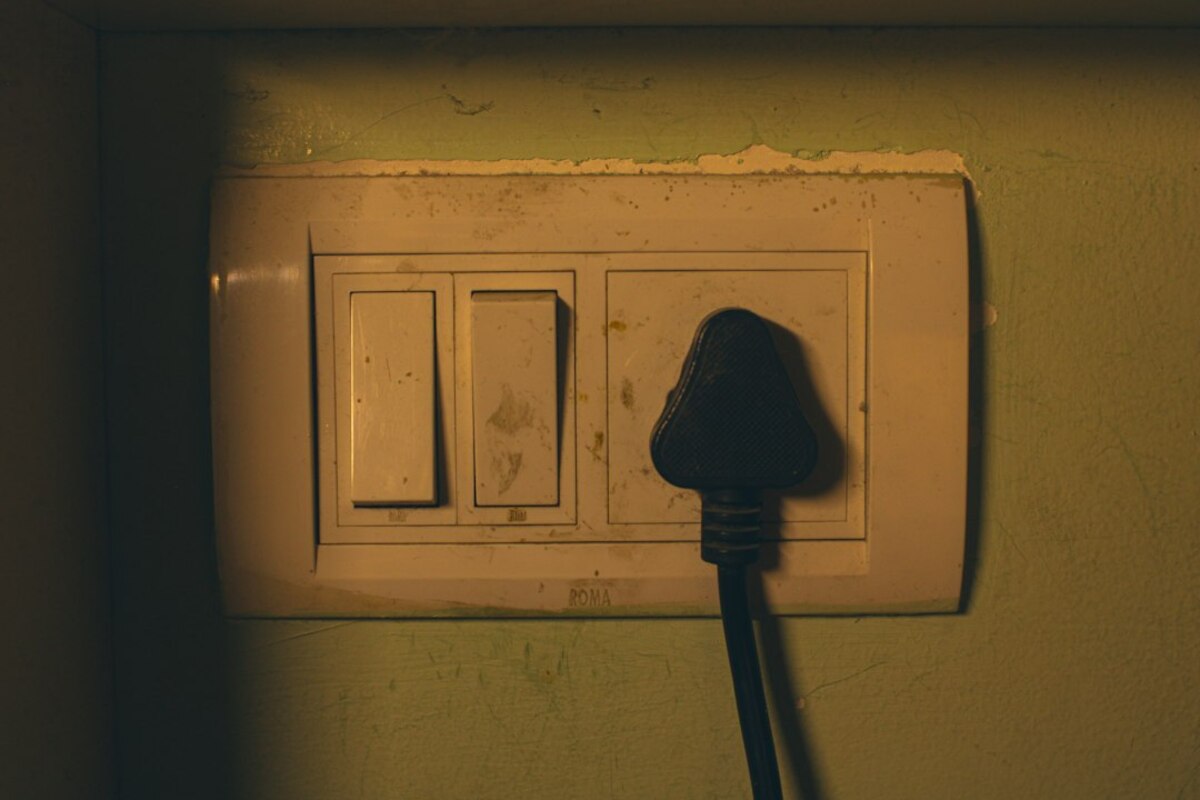
- AFCI breakers look for risky sparking (arcing) that regular breakers can miss—one of the common causes of electrical fires.
- “Random” AFCI trips often have a real trigger: loose plugs, damaged cords, certain motors, or shared/incorrect wiring.
- You can do safe at-home checks (cords, outlets, resets), but repeated trips or hot/burning smells mean it’s time for an electrician.
AFCI in plain English: it’s listening for the “wrong kind” of electricity
Most people know what a circuit breaker is supposed to do: if you overload a circuit (too many things running at once) or create a short (a hot wire touches neutral/ground), it trips to stop the current.
An AFCI—short for Arc-Fault Circuit Interrupter—adds another job: it looks for a specific kind of electrical trouble called an arc fault, which is basically unwanted sparking in a wire connection. That sparking can get hot enough to start a fire, especially if it’s happening in a wall, behind a couch, under a bed, or in an old extension cord that’s been stepped on for years.
A helpful analogy: a standard breaker is like a bouncer who only reacts when the crowd gets too big (overload) or when there’s a clear fight (short circuit). An AFCI is the bouncer who also notices the sound of a bottle breaking—the smaller, early warning sign that trouble is starting even if the room doesn’t look chaotic yet.
That “sound” is the electrical pattern of an arc. Inside the breaker is electronics that monitor the current wave shape and timing. When it detects a pattern consistent with a hazardous arc, it shuts the circuit off fast.
In many homes (especially in bedrooms and living spaces), code now requires AFCI protection because a lot of house fires start with damaged cords, loose connections, or worn wiring that creates intermittent sparking. The goal isn’t to annoy you. It’s to catch the kind of problem that can smolder quietly.

The two kinds of arcs that matter (and what causes them in real life)
Not all sparking is the same. Some arcs are brief and controlled—like the tiny arc you might see when you unplug a vacuum while it’s running. AFCIs are designed to tell the difference between normal electrical “noise” and patterns that look like a dangerous arc fault.
There are two major arc-fault categories you’ll hear about:
- Series arc faults: sparking caused by a loose or damaged connection in a single conductor path (think: a wire that’s partly broken but still touching).
- Parallel arc faults: sparking between two conductors (hot-to-neutral or hot-to-ground), often due to damaged insulation.
Here’s how those show up in everyday life:
| Everyday situation | What’s happening | Why it can trip an AFCI |
|---|---|---|
| Extension cord pinched under a chair leg | Insulation gets crushed; conductor strands break or touch | Damaged cord can arc internally as it flexes |
| Loose outlet that wiggles when you plug in | Connection points aren’t tight; contact is inconsistent | Micro-sparking occurs under load (heater, vacuum, PC) |
| Staple/nail nicked a cable in the wall | Insulation is compromised | Hot may arc to neutral/ground intermittently |
| Old lamp cord with cracked jacket near the plug | Wire strands exposed; cord heats and cools | Small arcs can form when the cord moves |
| Vacuum, treadmill, blender, or shop tool starts up | Motor brushes create electrical “noise” | Some motor patterns can resemble arcing, especially if the motor is worn |
One reason AFCIs are so useful is that arc faults can be high heat at low current. A standard breaker mainly responds to high current. An arc can be hot enough to char wood or melt plastic without always drawing enough current to trip an old-style breaker quickly.
Now for the part that causes the most confusion: “Why did it trip when nothing looks wrong?” Often, the problem is real—it’s just not obvious. Arcing can be intermittent: it happens when something vibrates, warms up, or shifts a millimeter.
Why AFCI breakers “randomly” trip—and what you can safely check
If your AFCI trips once and then never again, it could be a one-off event (like a worn plug wiggling). But if it keeps happening, treat it like a clue. The goal is to find the trigger without guessing dangerously.
First, it helps to know what you have. Many modern breakers are combination AFCI (often labeled “CAFCI” or “AFCI”) which cover more arc-fault types. Some breakers are dual-function and include both AFCI and GFCI protection in one.
Common, non-scary reasons for an AFCI trip (that still deserve attention):
- Loose plug or worn outlet: If the plug doesn’t feel snug, tiny gaps form and can spark under load.
- Damaged cords: Pet-chewed, kinked, pinched, or warm-to-the-touch cords are classic culprits.
- Space heaters and heating pads: High load plus repeated flexing of cords/connectors can create marginal connections.
- Vacuum cleaners and treadmills: Brush motors naturally create electrical noise; worn brushes make it worse.
- LED drivers and cheap dimmers: Some combinations create electrical waveforms that are “messy” enough to confuse older AFCIs.
- Shared neutral / wiring issues: In some homes, a circuit may be wired in a way that modern AFCIs dislike (and may be unsafe). This is more common in older or DIY-modified wiring.
Try this safe troubleshooting sequence (no electrical panel heroics beyond flipping a breaker):
- Unplug everything on that circuit (yes, everything). If you’re not sure what’s on it, unplug nearby rooms too.
- Reset the breaker fully: switch it firmly to OFF, then to ON.
- Plug devices back in one at a time, waiting a minute or two between items. If it trips right after one device, you found a strong suspect.
- Inspect the suspect device and cord: look for heat discoloration, crushed spots, cracked insulation, or a loose/wiggly plug.
- Try a different outlet on the same circuit (still AFCI-protected). If it only trips on one outlet, that outlet or its wiring may be the issue.
If the breaker trips even with everything unplugged, that points more toward the wiring, an outlet, a switch, or a fixture on the circuit rather than a device. That’s when a licensed electrician is the right next step, because diagnosing hidden arc faults often involves checking connections, devices, and sometimes the panel itself.
Resetting once to see if it was a fluke is reasonable. Repeated tripping is the breaker doing its job. If it trips again, treat it like an alarm: reduce use on that circuit, unplug suspicious devices, and investigate. Don’t ignore burning smells, heat, buzzing, or visible sparking—turn the circuit off and get help.
Resetting once to see if it was a fluke is reasonable. Repeated tripping is the breaker doing its job. If it trips again, treat it like an alarm: reduce use on that circuit, unplug suspicious devices, and investigate. Don’t ignore burning smells, heat, buzzing, or visible sparking—turn the circuit off and get help.
AFCI is focused on fire prevention by detecting dangerous arcing patterns. GFCI is focused on shock prevention by detecting current leaking where it shouldn’t (like through water or a person). They solve different problems, and some breakers/outlets combine both protections.
AFCI is focused on fire prevention by detecting dangerous arcing patterns. GFCI is focused on shock prevention by detecting current leaking where it shouldn’t (like through water or a person). They solve different problems, and some breakers/outlets combine both protections.
Motors—especially brush motors—create electrical noise that can resemble arcing. A newer AFCI usually tolerates normal motor noise, but a worn motor (or a cheap/noisy device) can push it over the line. Also, vacuums and treadmills flex cords and stress plugs; if an outlet is loose, the high current draw can trigger arcing at the connection.
Motors—especially brush motors—create electrical noise that can resemble arcing. A newer AFCI usually tolerates normal motor noise, but a worn motor (or a cheap/noisy device) can push it over the line. Also, vacuums and treadmills flex cords and stress plugs; if an outlet is loose, the high current draw can trigger arcing at the connection.
Pay special attention to these red flags. They don’t always mean “emergency,” but they do mean “stop experimenting”:
- Burning smell, melting plastic odor, or scorch marks
- Crackling/buzzing from an outlet, switch, or wall
- Warm outlets (not just warm chargers) or a faceplate that feels hot
- Tripping with everything unplugged
- Lights flicker when a device runs (especially if paired with tripping)
AFCIs have one more feature many people forget: a TEST button. Using it monthly is ideal, but even doing it occasionally is useful. Pressing TEST should trip the breaker; resetting should restore power. If it won’t trip on test, or won’t reset reliably, that’s a maintenance issue.
One last real-life scenario to make the value of AFCI feel less abstract: imagine a phone charger cable that’s been pinched behind a nightstand for two years. It still charges, so nobody thinks about it. Inside, strands are breaking, the connection is getting “scratchy,” and each night it arcs a little. A standard breaker might never notice. An AFCI is designed to notice the pattern and cut power before “scratchy” becomes “smoldering.”
That’s why an AFCI trip can feel inconvenient—but it’s often a helpful interruption. It’s your electrical system saying: something is sparking when it shouldn’t.