Should You Buy an Electric Bike? What Nobody Tells You Until After the Purchase
E-bikes look like the perfect shortcut to easier commuting—but range, repairs, theft, and local rules can surprise you. Here’s what to check before you buy.
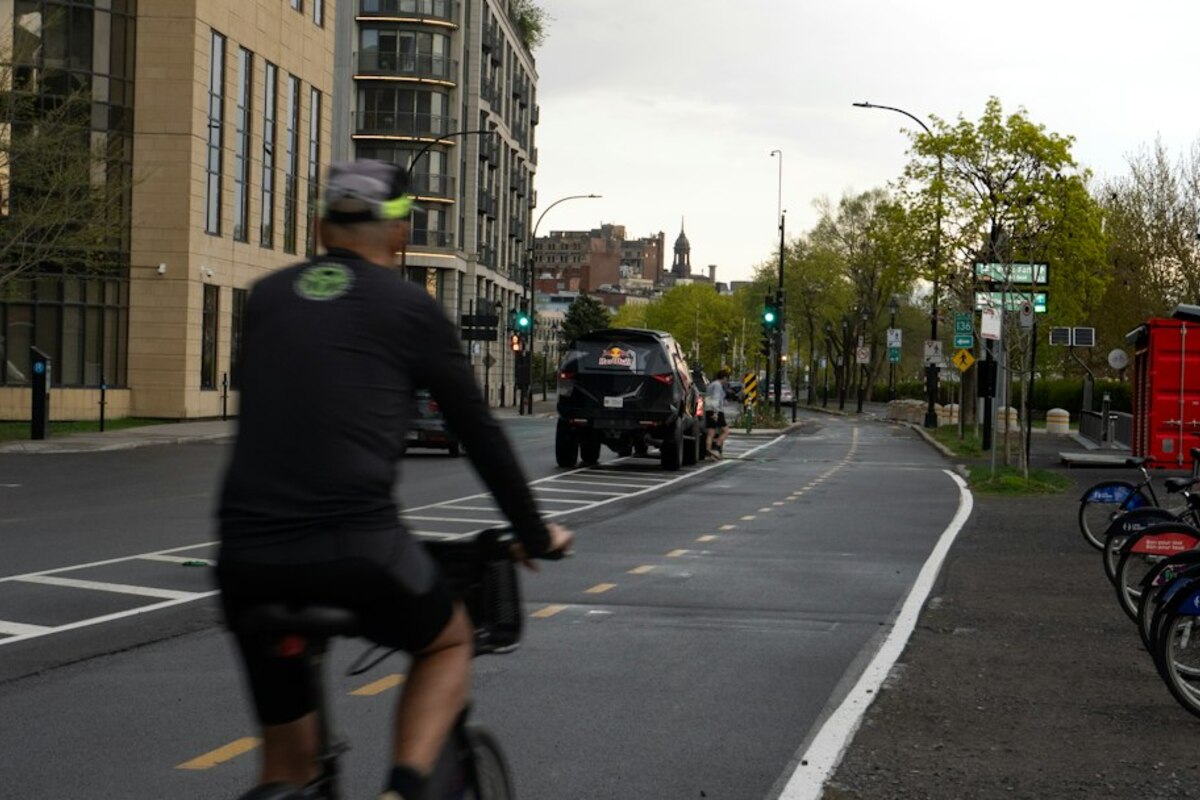
- Range claims are best-case; your weight, hills, wind, and speed can cut real range in half
- The boring stuff matters most: battery replacement cost, service availability, and theft prevention
- Choosing the right class, motor type, and brakes makes the difference between “fun” and “regret”
The “This Will Replace My Car” Fantasy (and the Reality)
Electric bikes are everywhere right now: on city bike lanes, on suburban streets, and folded under office desks. They promise something that sounds almost magical—show up without sweating, climb hills like they’re flat, and get groceries without paying for gas. A lot of people buy an e-bike thinking it will be a simple swap: bike in, car out. The reality is still good (often great), but it has more details than most product pages admit.
Picture a normal weekday. You plan to ride 7 miles to work. On the website, the e-bike says “Up to 60 miles of range.” You imagine charging once a week. Then real life shows up: your route has a long hill, you like using max assist, you’re carrying a laptop, and there’s a headwind. Suddenly your “60 miles” behaves more like 25–30. That doesn’t mean the bike is bad—it means the range number is like a car’s “highway MPG” sticker. It’s possible under ideal conditions, but your commute isn’t a lab test.
And then there’s the part nobody loves to talk about: an e-bike is still a bike. You’ll need a safe place to store it, a plan for theft, and a way to handle flats. If you live in a walk-up apartment, lifting a 55–75 lb e-bike up stairs can become a daily workout you didn’t sign up for. If your city has patchy bike infrastructure, you’ll care more about bright lights, braking power, and tire quality than you thought you would.
None of this is meant to scare you off. It’s meant to help you buy the right e-bike the first time—so your “new hobby” doesn’t become an expensive coat rack in the garage.

How to Pick the Right E-Bike Without Getting Lost in Specs
The fastest way to shop is to start with your real use case, not the brand. Answer these questions in plain terms: What are you trying to replace (a car trip, a bus ride, a regular bike ride)? What do you carry (groceries, kids, tools, nothing)? Where do you ride (flat, hilly, potholes, rain)? The “best” e-bike is different for a commuter than for someone doing school drop-offs.
1) Know the e-bike “class” in your area
Many places use a simple class system. The names vary by region, but the idea is consistent: some e-bikes assist only while you pedal, some have a throttle, and the top assisted speed may be capped. This matters because certain trails, bike paths, or city rules allow one class and ban another.
- Pedal-assist only: The motor helps when you pedal. Often welcomed on more paths.
- Throttle-equipped: You can power the bike without pedaling. Convenient, but sometimes restricted.
- Higher-speed assist: Great for longer commutes, but can bring extra legal limits and safety concerns.
A quick rule of thumb: if you’ll ride on shared paths or trails, check local rules before you fall in love with a high-speed model.
2) Mid-drive vs hub motor (the “stairs vs elevator” analogy)
Think of a hub motor like an elevator: it pushes the wheel directly. It’s usually simpler and often cheaper. A mid-drive is more like taking the stairs with power shoes: it drives through the bike’s drivetrain, which can feel more natural on hills and often climbs better because it can leverage your gears.
- Hub motor: Often quieter, lower cost, great for flatter areas and casual riding.
- Mid-drive: Typically better hill performance and efficiency, but can cost more and may wear chains/cassettes faster.
If your route includes long climbs, a mid-drive often feels like the difference between “I can do this daily” and “why is my commute a struggle?”
3) Don’t shop by watts alone
Many listings highlight motor watts like it’s the only number that matters. In real riding, torque (how strongly it pulls from a stop and up a hill) and the bike’s overall tuning matter just as much. Two bikes with similar watt ratings can feel totally different.
4) Battery size and “real range” planning
Battery capacity is often listed in watt-hours (Wh). Bigger Wh usually means more range, but it’s not a direct miles number. Your range depends on assist level, rider weight, tire pressure, terrain, temperature, wind, and how often you stop and start. If you want fewer charging headaches, it’s smart to plan around a conservative estimate.
| Your situation | What happens to range | What to look for |
|---|---|---|
| Mostly flat commute, moderate assist | Range often close to marketing claims | Any reputable battery size; focus on comfort and accessories |
| Hills + high assist + frequent stops | Range can drop sharply | Larger battery (Wh), efficient mid-drive, gears that climb well |
| Cold weather riding | Noticeable range reduction | Removable battery (store indoors), plan extra buffer |
| Carrying cargo or a child seat | Higher load = more energy used | Sturdy frame, strong brakes, torque-focused motor, quality tires |
5) Brakes are not the place to compromise
An e-bike often weighs far more than a regular bike, and you’ll carry more speed more easily. That means your brakes do more work. Hydraulic disc brakes generally give stronger, more consistent stopping power with less hand fatigue. Mechanical disc brakes can be fine on lighter, slower bikes, but if you’re commuting daily or carrying cargo, stronger braking is a comfort and safety upgrade you’ll feel immediately.
6) Tires: your hidden suspension
If your streets are cracked, full of debris, or rough, wider tires can make the ride feel calmer and more stable. It’s the difference between tiptoeing around potholes and rolling over imperfect pavement without stress. For many everyday riders, tire choice matters more than a fancy display screen.
7) Test ride for “fit,” not just speed
A test ride isn’t only about seeing how fast it goes. Pay attention to: can you comfortably put a foot down at stops, does the bike feel stable when you turn, do you like the handlebar position, and can you easily reach the brake levers? A bike that fits poorly becomes annoying fast—especially if you’re riding it as transportation instead of a weekend toy.
The Costs People Forget: Maintenance, Theft, Charging, and Battery Replacement
Most people budget for the sticker price and maybe a helmet. The real-world ownership costs are usually still much lower than owning a car, but they exist—and they can surprise first-time buyers.
Maintenance isn’t harder, but it can be different
An e-bike still needs the usual bike basics: tires, tubes, chain lubrication, brake pads, and occasional tune-ups. The difference is that e-bikes put more stress on some parts because they’re heavier and accelerate more. Chains and brake pads can wear faster, especially on hilly commutes or cargo setups.
One very practical question to ask before buying: Where will you service it? Not every local shop services every brand, especially direct-to-consumer models. If you buy online, check whether there’s a nearby service partner—or be prepared to do some basic repairs yourself.
Battery replacement is the “big future expense”
Batteries don’t die overnight, but they do age. Over years, you may notice reduced range, especially if you store the battery in extreme heat or cold, keep it at 100% constantly, or run it down to empty frequently. Replacing a battery can be a significant cost. When comparing bikes, look up the replacement battery availability and price before you buy. If replacement batteries are hard to find, a “great deal” today can become a headache later.
Charging logistics: the small daily friction
Charging seems simple until you picture your routine. Do you have an outlet where you store the bike? Is the battery removable so you can bring it inside? If you live in an apartment, a removable battery is often the difference between easy ownership and constant hassle. Also consider charging time: if you ride long distances daily, the ability to top up at work can feel like having a secret superpower.
Theft: the unglamorous but essential topic
E-bikes are attractive targets. The best theft prevention is a combination of habits and gear:
- Use a quality lock strategy: a strong U-lock plus a secondary lock (cable or chain) for wheels.
- Lock location matters: busy, well-lit places beat quiet corners.
- Remove the battery/display if possible when parking for long periods.
- Consider insurance: some renters/home policies can add coverage; dedicated bike insurance also exists.
If you plan to park outside daily, budget for serious locks like you would budget for a decent helmet.
Use the posted range as a best-case scenario. A safer approach is to assume you’ll get much less if you ride fast, use high assist, face hills or wind, carry cargo, or ride in cold weather. Plan your commute with a buffer so you’re not stressing about the last mile.
Use the posted range as a best-case scenario. A safer approach is to assume you’ll get much less if you ride fast, use high assist, face hills or wind, carry cargo, or ride in cold weather. Plan your commute with a buffer so you’re not stressing about the last mile.
It can be, but prioritize support and safety parts over flashy specs. A dependable commuter needs reliable brakes, decent tires, weather-ready lights, and a realistic service plan. If the nearest repair option is “ship it back,” small problems can become long interruptions.
It can be, but prioritize support and safety parts over flashy specs. A dependable commuter needs reliable brakes, decent tires, weather-ready lights, and a realistic service plan. If the nearest repair option is “ship it back,” small problems can become long interruptions.
Not always. For many city riders, wider tires at the right pressure provide plenty of comfort. Suspension can help on rough roads, but it adds weight and cost. If your streets are smooth, you might prefer a simpler, lighter setup.
Not always. For many city riders, wider tires at the right pressure provide plenty of comfort. Suspension can help on rough roads, but it adds weight and cost. If your streets are smooth, you might prefer a simpler, lighter setup.
A quick real-life buying scenario
Imagine two friends:
- Maya rides 4 miles each way in a mostly flat city and locks up outside a café. She’s happiest with a lighter step-through commuter e-bike, removable battery, built-in lights, and a rock-solid lock setup.
- Jordan rides 10 miles each way with a big hill and carries a laptop plus gym clothes. Jordan benefits from a mid-drive, a larger battery, hydraulic brakes, and gearing that makes hill starts easy.
Both “bought an e-bike,” but the best purchase looks very different depending on the day-to-day reality.
What to check on a product page (the practical checklist)
- Battery capacity (Wh) and whether it’s removable
- Motor type (hub vs mid-drive) and torque info if available
- Brake type (hydraulic disc is a strong plus for commuters/cargo)
- Total weight of the bike (especially if you’ll lift it)
- Wheel/tire size and whether replacement tires are easy to find
- Warranty terms and how service works in your area
- Included essentials: lights, fenders, rack (these add cost if missing)
If you use this as your filter, you’ll avoid the most common “I didn’t think about that” regrets—like realizing after delivery that the bike is too heavy for your stairs, the battery can’t be removed, or no nearby shop will touch the brand.