Should You Buy a Portable Power Station? A Real‑Life Guide to Backups, Camping, and Not Overpaying
Portable power stations promise quiet backup power anywhere. Here’s how to pick the right size, avoid common traps, and match it to real-life needs.
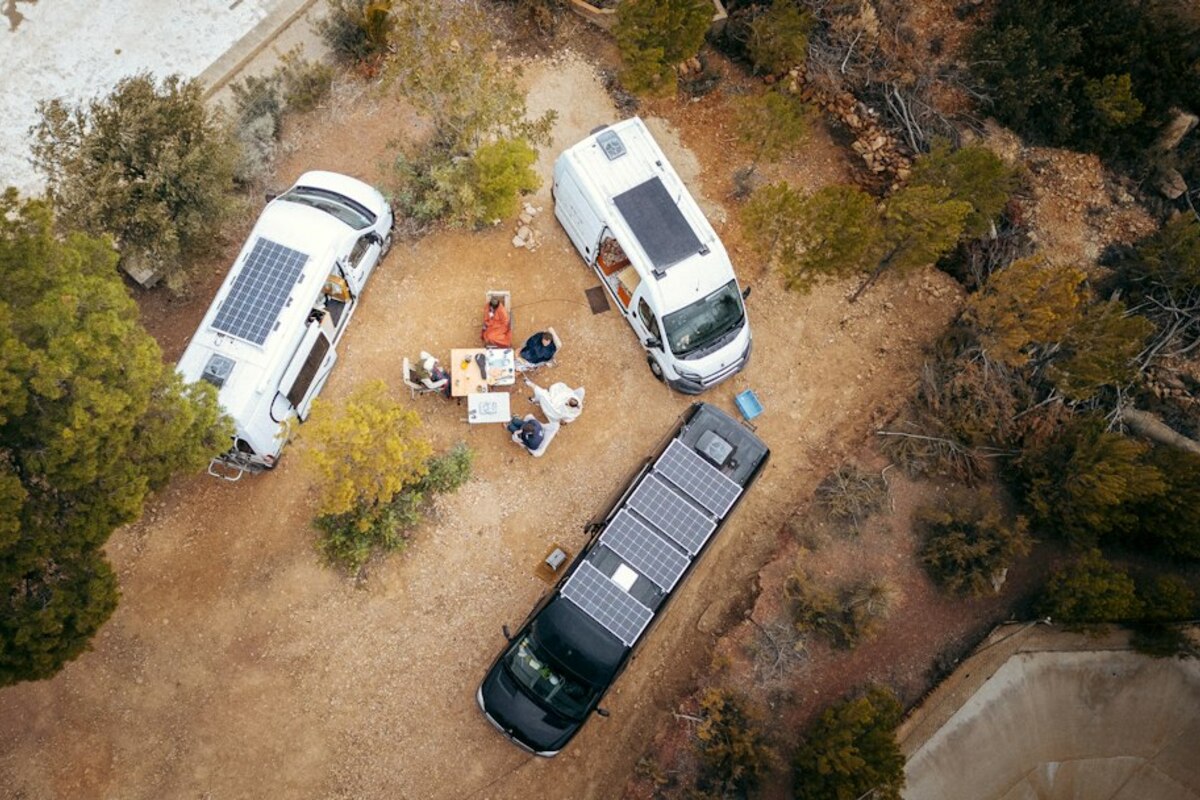
- Start with what you want to run (and for how long), then choose capacity and output—not the other way around.
- LiFePO4 models usually last longer and age better for home backup, while lightweight options fit travel and camping.
- A good unit is more than a big battery: ports, surge power, recharge speed, and solar compatibility matter just as much.
What a “portable power station” really is (and why people are suddenly buying them)
A portable power station is basically a big rechargeable battery with a built-in inverter (to create regular household AC power), charging electronics, and a selection of ports (USB, 12V car-style, and wall outlets). It’s the quiet cousin of a gas generator: no fumes, no engine noise, no gas cans. You charge it from the wall, from your car, or from solar panels, then use it to run devices when you’re away from an outlet—or when the power goes out.
They’ve become a “normal” purchase in the last couple of years for a few everyday reasons: more extreme weather and outages, more remote work, more road trips and van life, and the fact that many households now rely on powered essentials (internet gear, phone charging, medical devices, even electric kettles for a quick meal).
Here’s a quick real-life picture: it’s 9 p.m., the lights go out, and your phone is at 12%. You’re not trying to power the whole house—just keep the Wi‑Fi running, charge devices, and maybe run a lamp. A portable power station can do that with almost zero setup. On the flip side, if your plan is to run a space heater all night, you may discover (the hard way) that some “big” power stations are still tiny compared to what high-heat appliances demand.

How to choose the right one without getting lost in specs
Most buying regrets come from one of two mistakes: (1) buying based on marketing capacity numbers without thinking about what you’ll actually power, or (2) buying based on the number of outlets and forgetting how quickly the battery drains under heavy loads.
Think of a power station like a water tank:
- Capacity (Wh) is the size of the tank.
- Power output (W) is how wide the pipe is (how fast you can “pour” electricity).
- Surge/peak power is the brief extra push needed to start some devices (like a fridge compressor).
Start with a shortlist of what you want to run, then estimate how long. You don’t need perfection—just reasonable expectations.
| Use case | What people usually power | Typical power station range that feels “right” | What surprises buyers |
|---|---|---|---|
| Outage basics | Wi‑Fi router, phones, a lamp, maybe a laptop | 300–600 Wh, 300–600 W output | Routers draw little, but adding a TV or microwave changes everything |
| Remote work anywhere | Laptop, monitor, phone, hotspot, small fan | 500–1000 Wh, 600–1000 W output | Monitors and “always-on” gear add up over a long day |
| Camping & road trips | Cooler/fridge, lights, camera batteries, small cook gear | 700–1500 Wh, 700–1800 W output | 12V fridges are efficient; electric cooktops are not |
| Home fridge backup | Refrigerator + small essentials | 1000–2000 Wh, 1000–2000 W output + good surge | “Surge watts” matter; a fridge can fail to start even if it can run |
Capacity (Wh): This is the number that determines runtime. A 1000Wh unit can theoretically power a 100W device for 10 hours. In real life, it’s less because the inverter and electronics have losses. A practical rule is to assume 70–85% of the advertised capacity is usable for AC loads.
Output (W) and surge: If the unit is rated for 600W output, it can’t run a 1500W hair dryer no matter how huge the battery is. Also, some appliances need a brief startup “kick.” Look for a clearly stated surge/peak rating (and ideally reviews showing it can actually start common loads like a fridge).
Battery chemistry: You’ll see two common types:
- LiFePO4 (LFP): Usually heavier, often pricier, but tends to last many more charge cycles. Great for people who want a reliable backup they’ll keep for years.
- NMC (Lithium-ion): Often lighter for the same capacity, sometimes cheaper, but usually fewer cycles over its lifetime. Fine for occasional trips and light use.
Recharge speed: This is the “how fast can I refill the tank?” question. If you want outage resilience, fast wall charging can be a big deal: you might only get short windows of power between rolling outages. For camping, solar input limits matter more (how many watts of solar the unit can accept).
Ports and layout: Count the ports you’ll use simultaneously. Two AC outlets sounds like plenty until you’re running a fridge and also want to plug in a laptop charger and a lamp. USB-C Power Delivery (PD) is especially useful for modern laptops—sometimes you can skip AC altogether and save energy.
Noise and idle drain: Many units are quiet, but not silent. Some have fans that kick on even at modest loads. Also, some models waste power just staying “on” with the inverter enabled. If you plan to run small loads overnight (router, CPAP, etc.), a lower idle drain can noticeably extend runtime.
A quick sanity check with a common scenario: Imagine you want to keep your internet up during an outage. A router plus modem might use roughly 15–30W combined. Add a phone charger and a small LED lamp, and you might still be under 60W. With a 500Wh station and 80% usable energy, you have about 400Wh available—roughly 6–7 hours at 60W, or longer if you’re closer to 30–40W. That’s why small-to-mid units can feel “amazing” for communications—and “disappointing” for heating or cooking.
Common buying traps (and how to avoid them)
Portable power stations are straightforward once you ignore a few misleading shortcuts. Here are the traps that catch ordinary buyers—people who are smart, just busy.
Trap 1: Thinking a high Wh number means it can run anything.
A big battery doesn’t automatically mean big power output. Some high-capacity stations still have modest inverters. If you want to run kitchen appliances, power tools, or anything with a heating element, check the continuous output watts first.
Trap 2: Underestimating “hot stuff” (heaters, kettles, hair dryers, toasters).
Heating electricity is brutally expensive in battery terms. A 1500W space heater can drain a 1000Wh station in well under an hour after losses. If your mental model is “this thing is like a generator,” you’ll be surprised. Power stations shine at electronics, not heat.
Trap 3: Buying too small for a fridge because “the fridge only says 150W.”
That label is often running power. Startup surge can be much higher. If your goal is fridge backup, look for units known to start fridges reliably. Real reviews matter here more than spec sheets.
Trap 4: Ignoring solar input limits (then wondering why charging takes forever).
People picture a couple of foldable solar panels “topping it up,” but if the station only accepts (for example) 200W of solar input, you’re capped—even if you buy 400W of panels. Also, clouds, angle, and season reduce output. Solar is fantastic, but it’s not magic.
Trap 5: Paying for features you won’t use.
Some models add app control, lights, extra modes, or unusual port mixes. If your actual need is “keep Wi‑Fi + phones alive,” you might be happier spending less on a simpler unit—or spending the same money on more capacity and better battery chemistry instead of bells and whistles.
Trap 6: Forgetting the “grab-and-go” reality.
A 2000Wh station can be heavy. If you imagine carrying it to a campsite table, up apartment stairs, or into the trunk regularly, weight and handle design become real quality-of-life factors. If it’s too annoying to move, you’ll stop using it.
Trap 7: Assuming all AC outlets are equal.
Some power stations output a “cleaner” sine wave than others. Most modern electronics are fine either way, but certain devices (some motors, audio gear, or sensitive equipment) may prefer a pure sine wave inverter. If you’re powering anything you’d describe as “picky,” confirm the inverter type.
No. A gas generator makes power as long as you feed it fuel; a power station stores power and runs out when the battery is depleted. Power stations are quieter and indoor-safe (no fumes), but typically can’t run heavy loads as long as a fuel generator can.
No. A gas generator makes power as long as you feed it fuel; a power station stores power and runs out when the battery is depleted. Power stations are quieter and indoor-safe (no fumes), but typically can’t run heavy loads as long as a fuel generator can.
Often yes, but check the device’s wattage and whether you can run it via DC (more efficient) rather than AC. For anything medical-critical, test your exact setup in advance, and consider a unit with LiFePO4 longevity and low idle drain.
Often yes, but check the device’s wattage and whether you can run it via DC (more efficient) rather than AC. For anything medical-critical, test your exact setup in advance, and consider a unit with LiFePO4 longevity and low idle drain.
Take usable watt-hours (roughly 70–85% of the listed Wh for AC use) and divide by your device’s watts. Example: 800Wh usable ÷ 80W load ≈ 10 hours. If you can power devices by USB-C or 12V instead of AC, you may get better real-world runtime.
Take usable watt-hours (roughly 70–85% of the listed Wh for AC use) and divide by your device’s watts. Example: 800Wh usable ÷ 80W load ≈ 10 hours. If you can power devices by USB-C or 12V instead of AC, you may get better real-world runtime.
A practical buying mindset: Don’t aim for “covers every emergency.” Aim for “covers the emergencies I actually experience.” Many households never need to run an oven in a blackout, but nearly everyone cares about light, communication, and keeping food cold. If you match the station to those priorities, you’ll use it more and feel better about the price.
One last real-life scenario to calibrate expectations: You’re car-camping for a weekend. You want phone charging, lights, and a small 12V fridge. A mid-size station can feel like luxury. Swap the fridge for an electric skillet or induction cooktop and you may burn through the same battery in a short meal. The lesson isn’t “don’t buy one”—it’s “buy it for the jobs batteries are good at.”